Fall Writer’s Club
How do you write a fantasy story? Over 7 weeks, Pilco writers will explore how to create a fantasy world that feels strange, believable, and entirely their own.
We will create characters, places, rules, lore, conflicts, and stories within the larger world. And along the way, writers will develop their descriptive writing, sentence structure, storytelling, and individual writing skills.
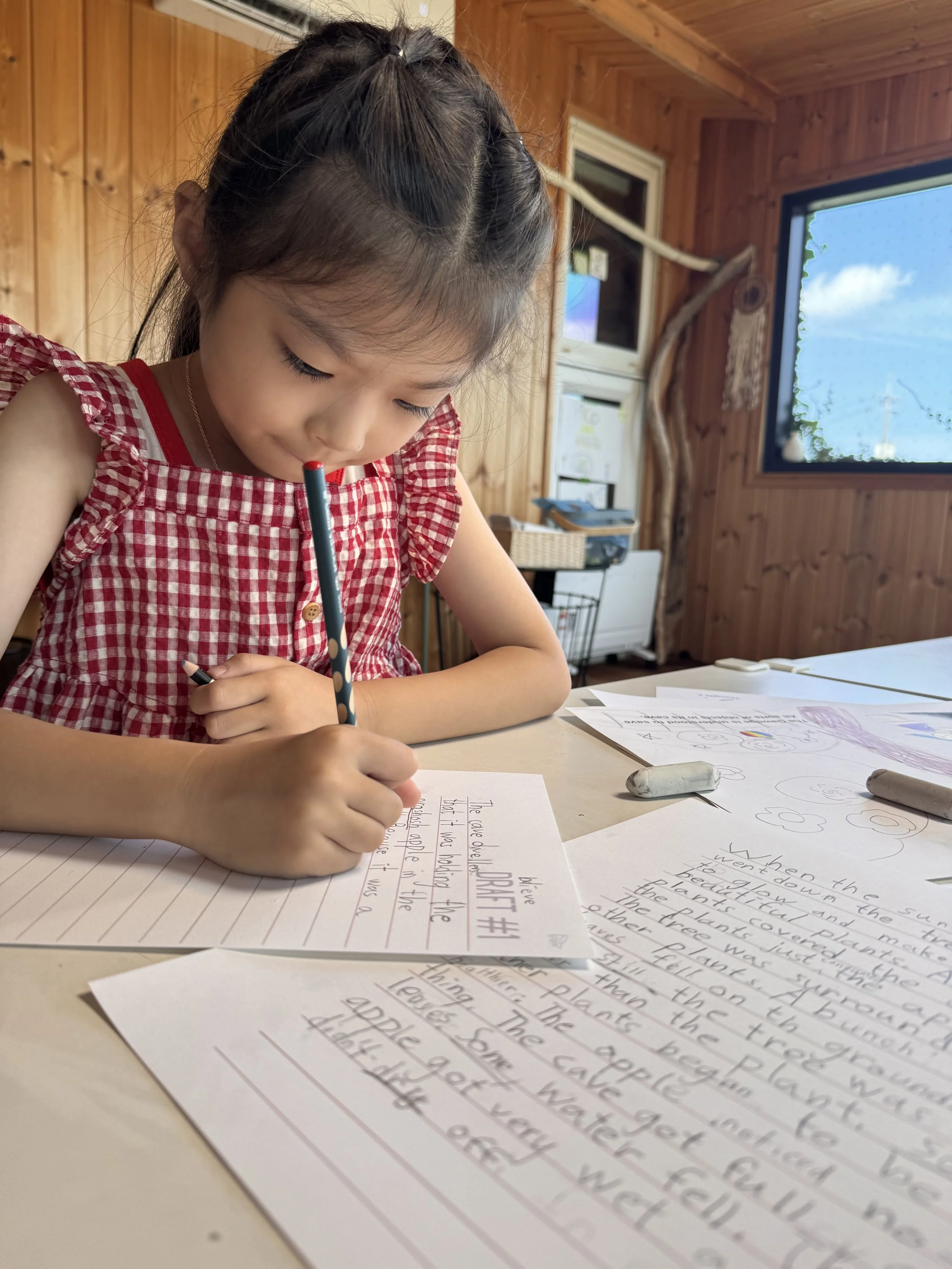
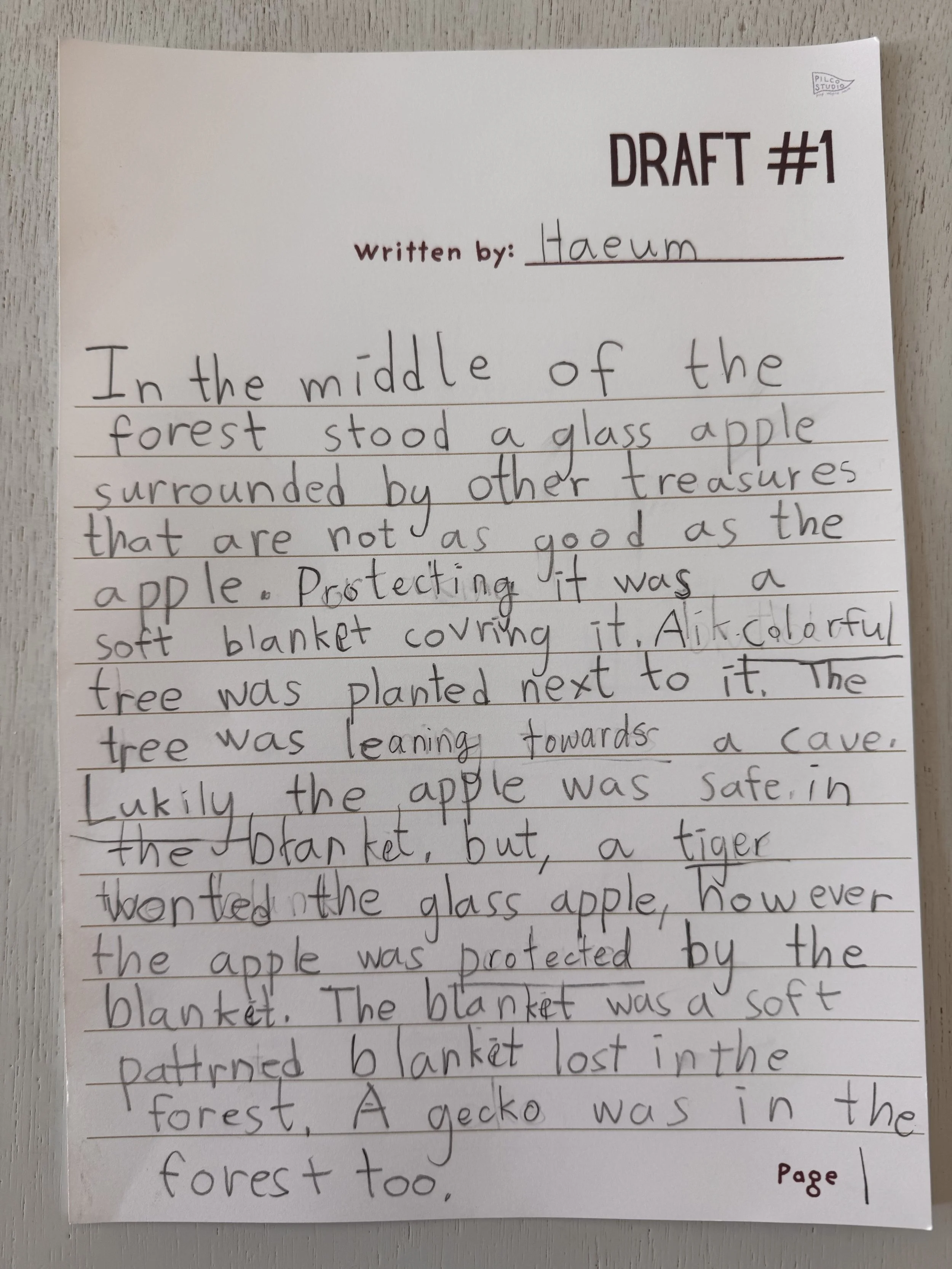
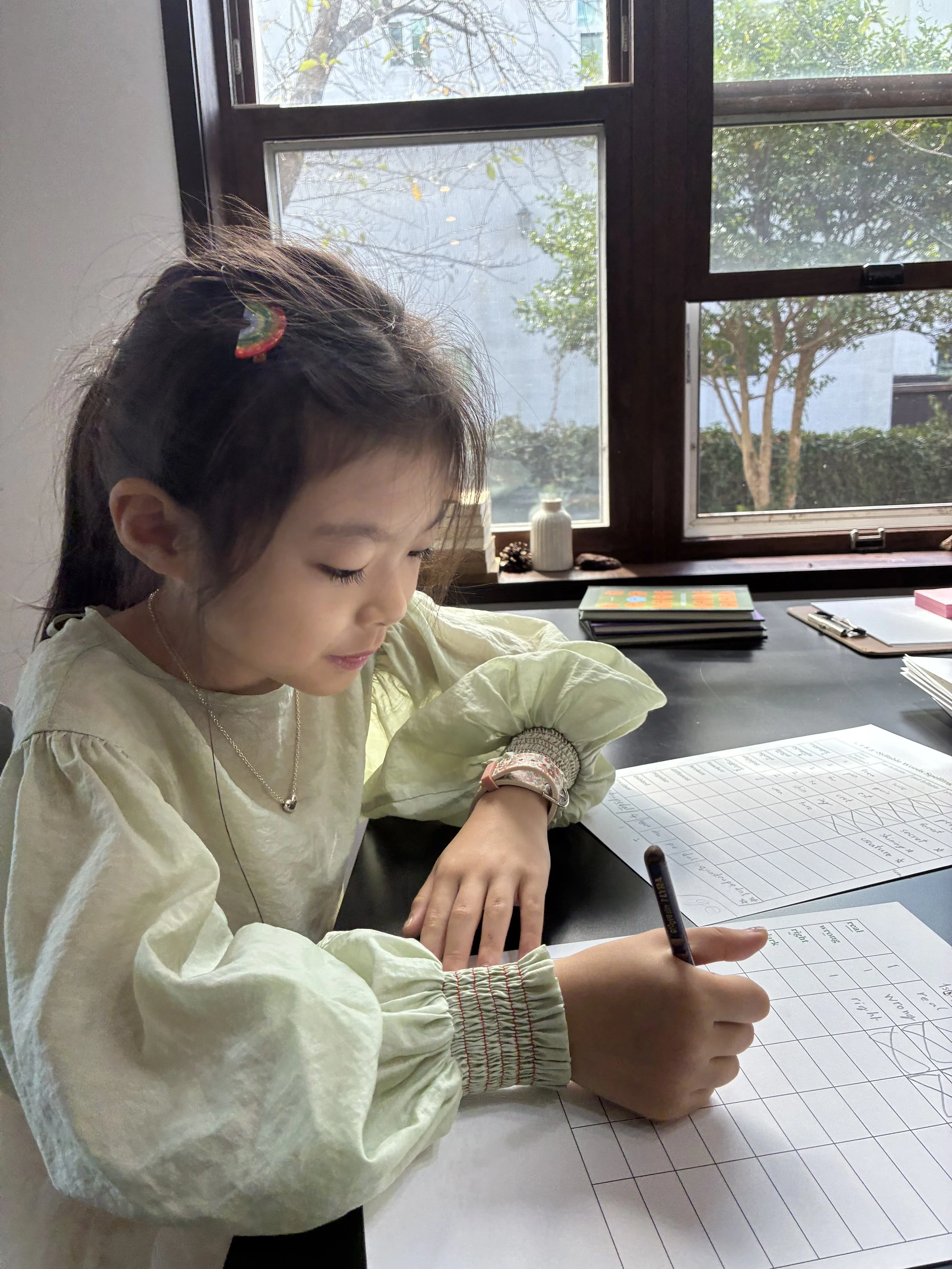
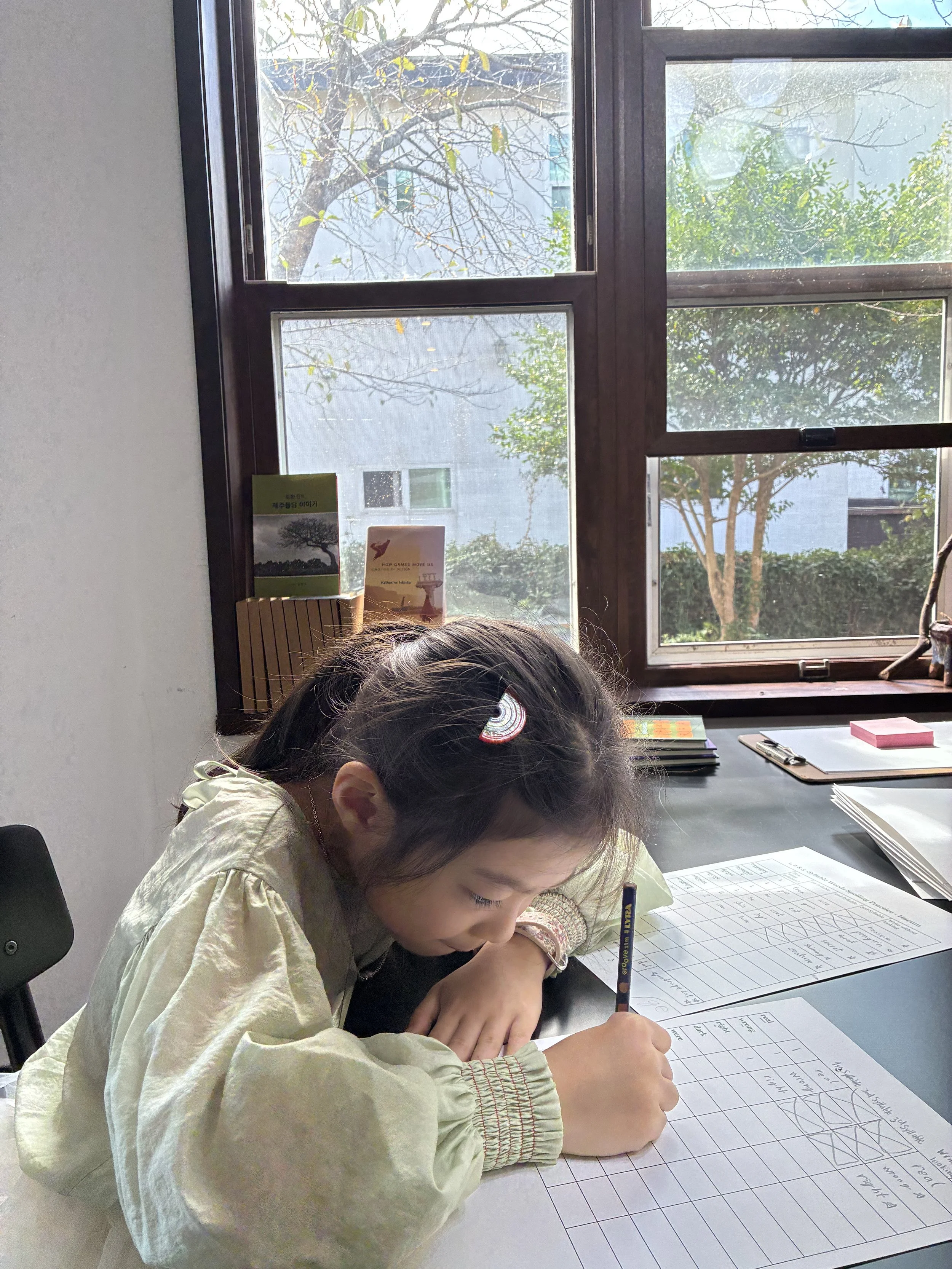
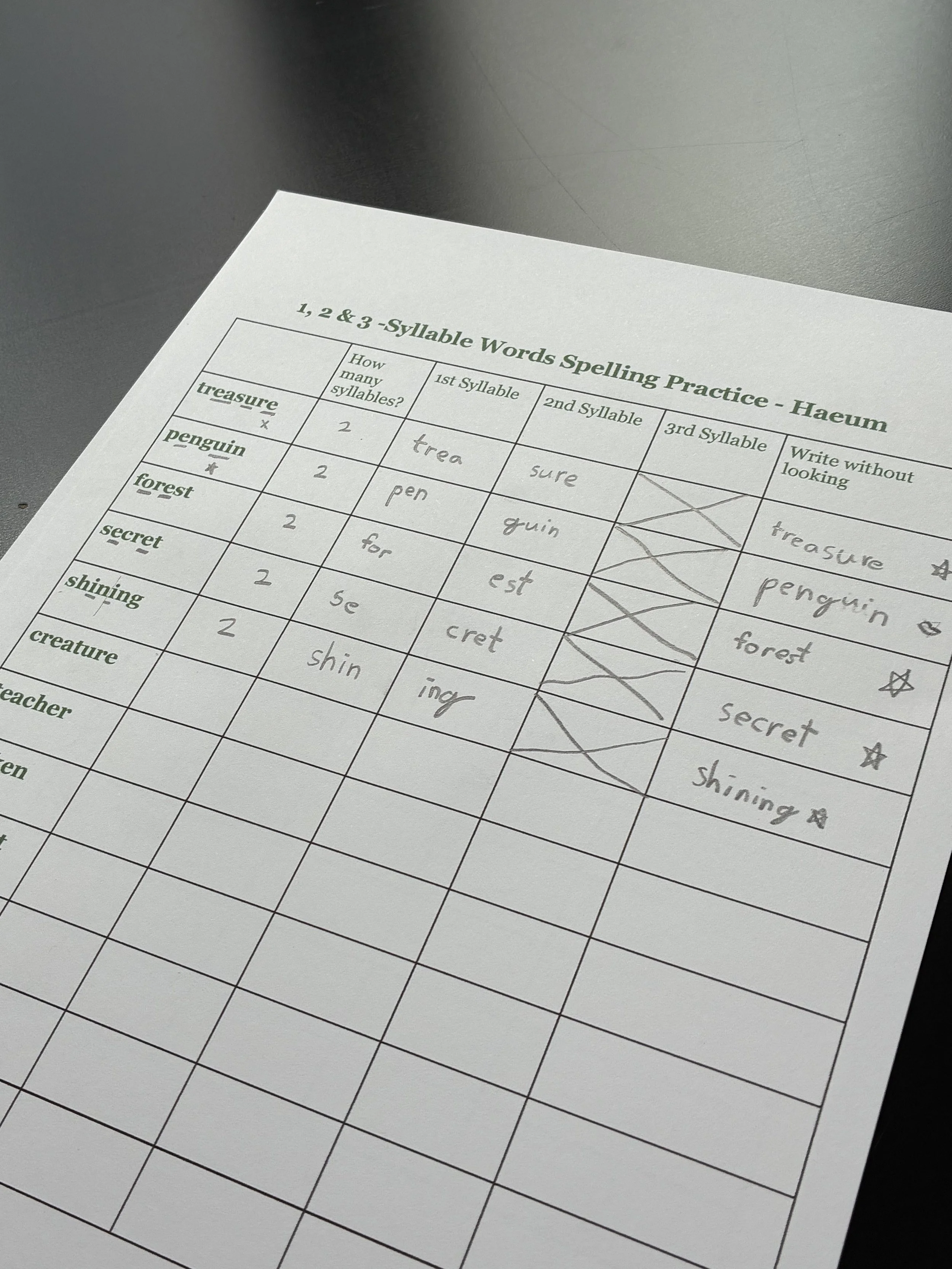
‘Haeum has a strong writer’s voice, and a distinctive style of writing. Her stories are often personal, featuring objects and people that she loves in her life. She is learning to transfer her many ideas onto the page through sequential thinking and using multiple voices (narrator vs characters) to tell her stories. On the technical side, Haeum is focusing on spelling multi-syllabic words this season, which will help her improve her writing fluency.’
Week 5
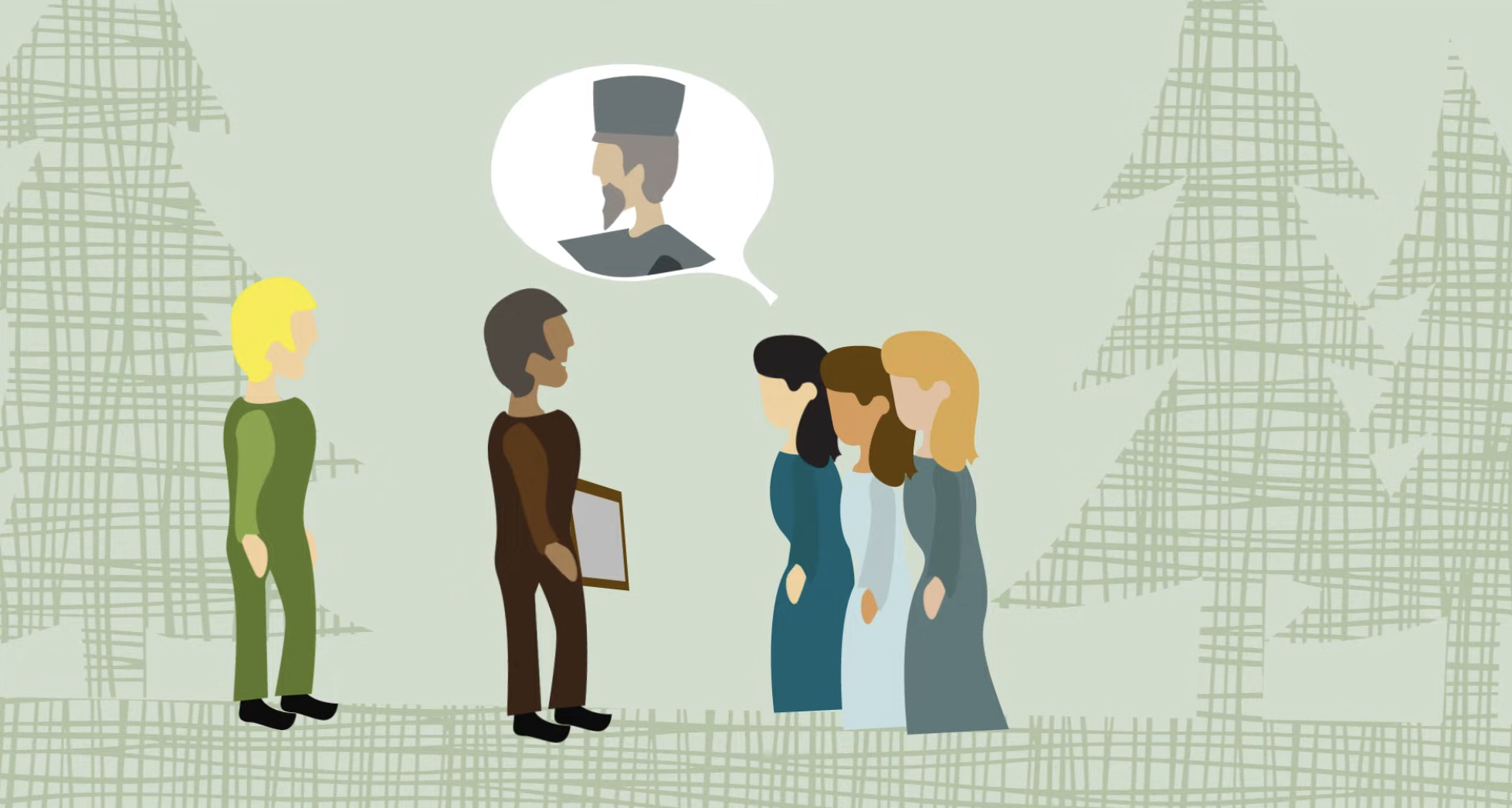
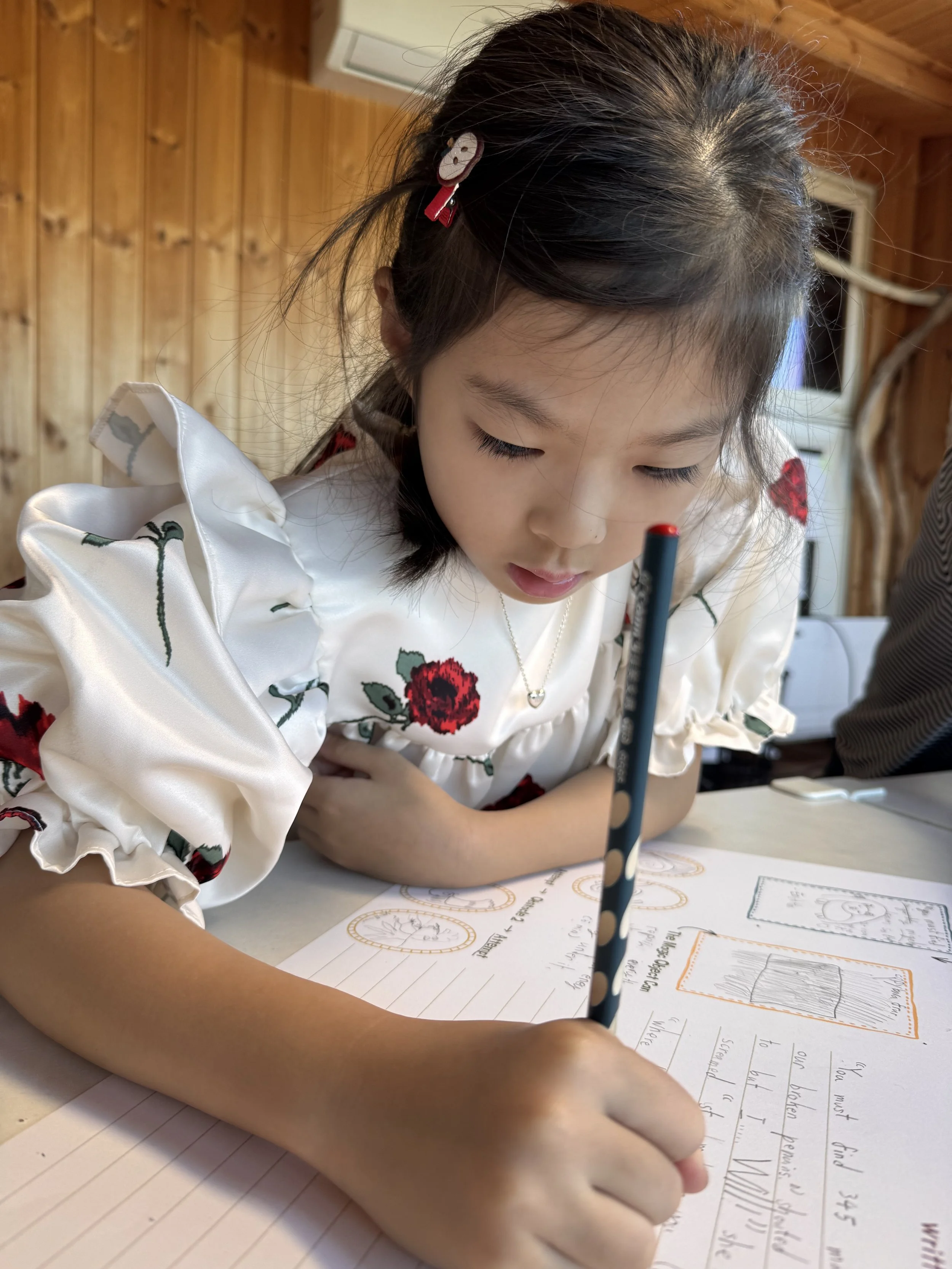
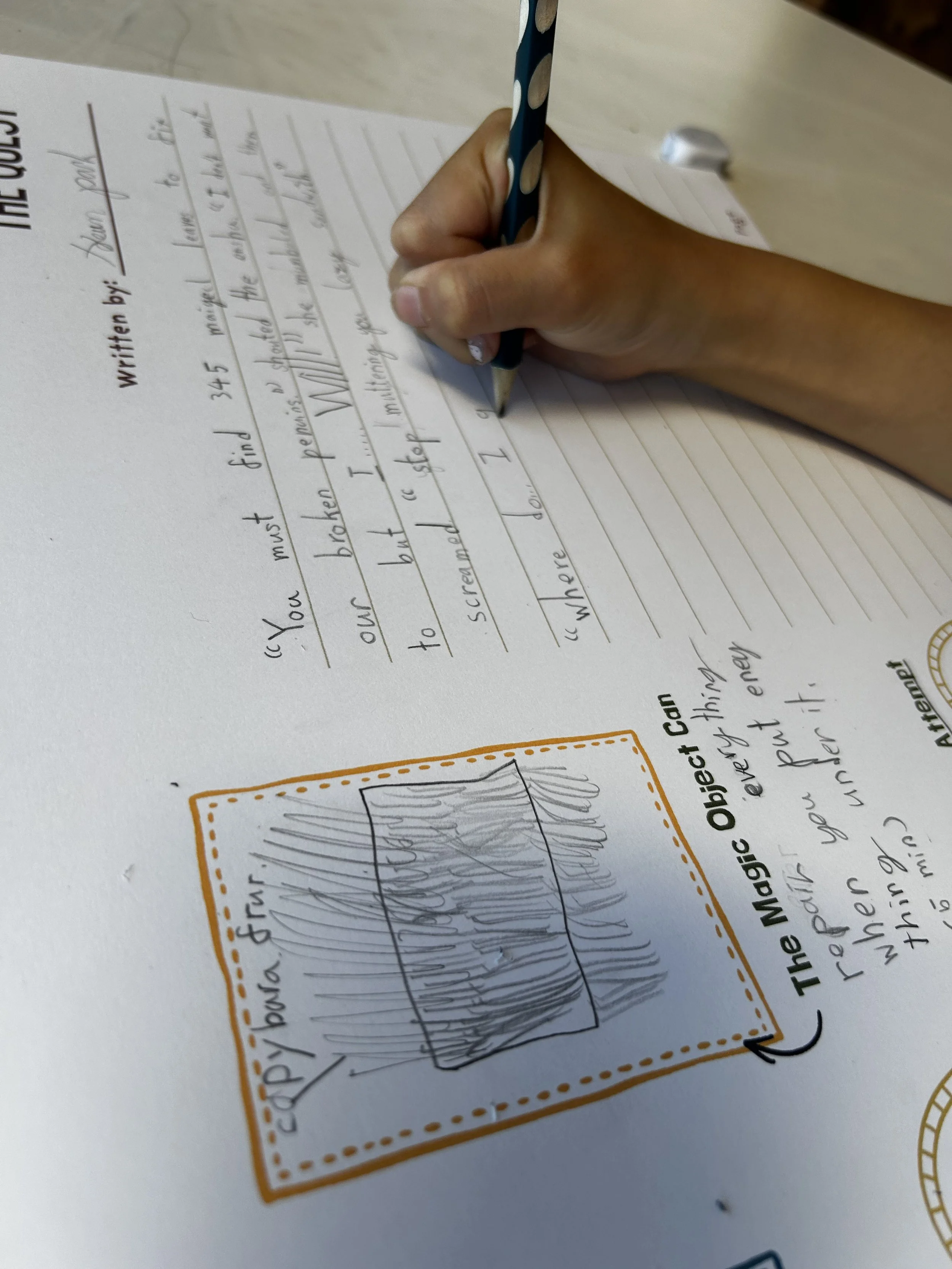
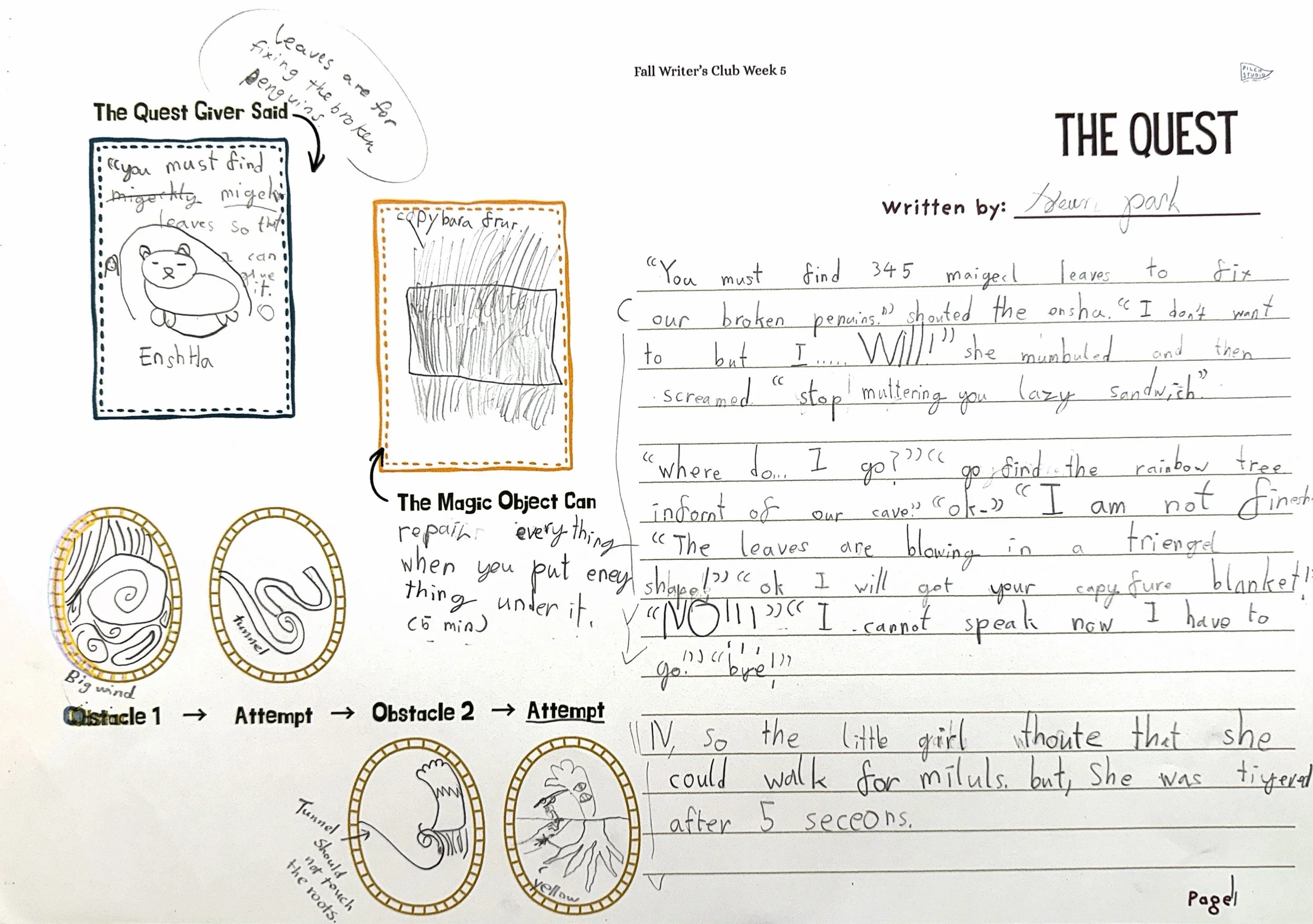
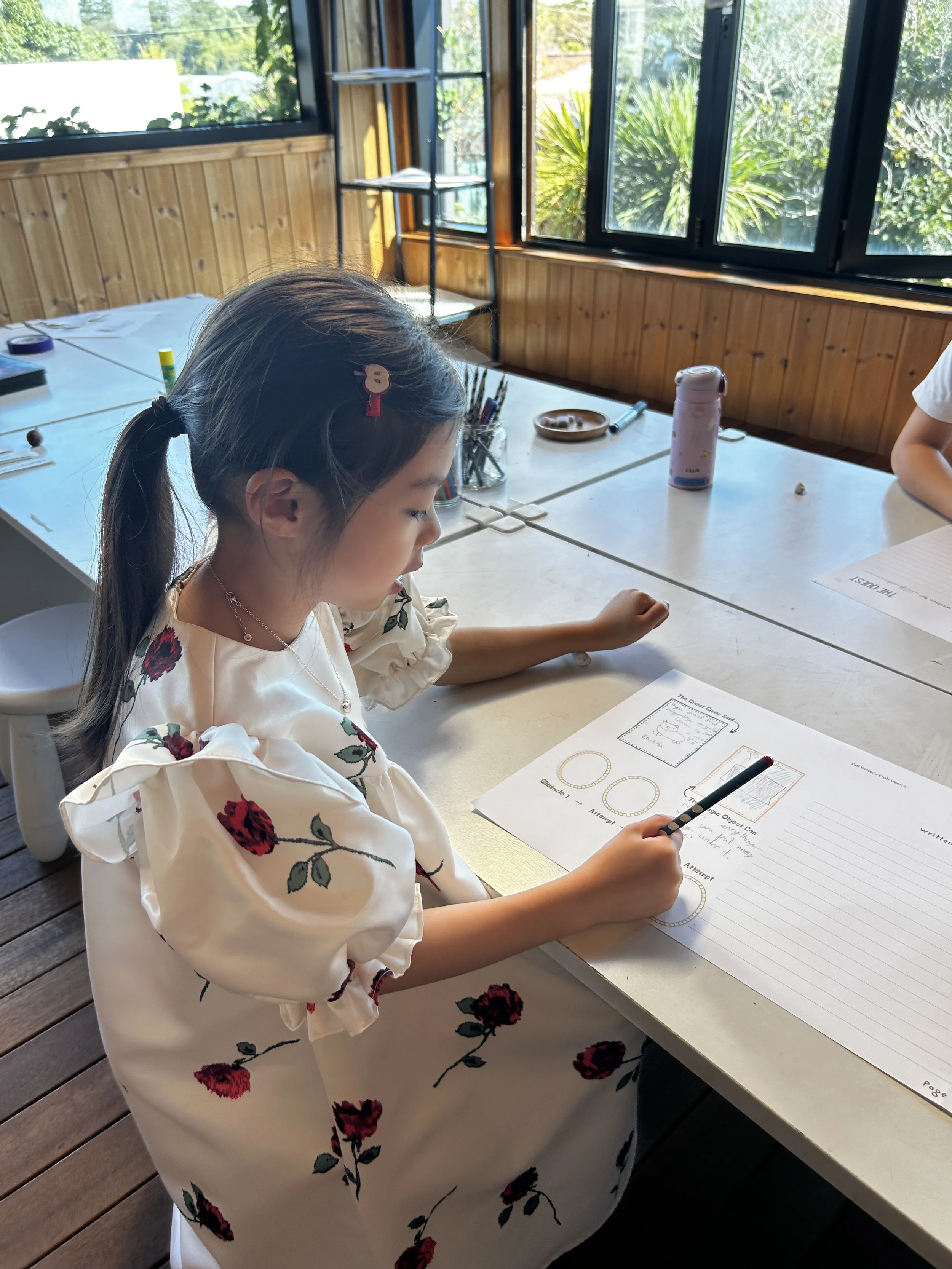
This week, we took inspiration from the famous German opera The Magic Flute by W.A. Mozart and learned about the structures of a Quest in storytelling. The young writers imagined how their characters might overcome obstacles in their lores, and brainstormed magic objects that can help them in their journey!
This workshop aimed to help our writers develop sequential thinking: using the mental frame of first… so… but…, we explore how one event can lead to the next in storytelling.
Week 4
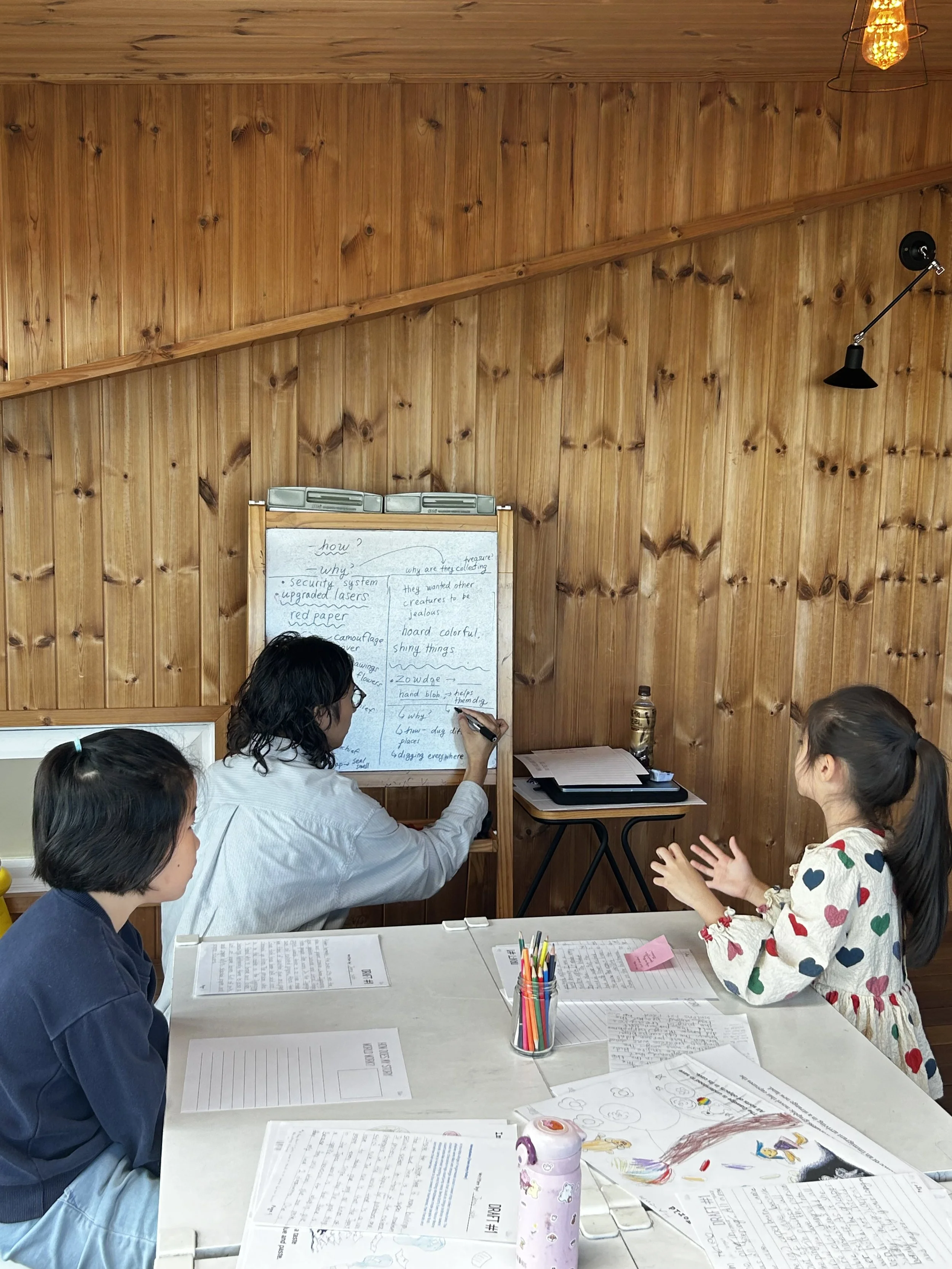
This week, the writers took their time to develop their ideas from the previous weeks. With the guidance of the coach, we used questioning to add logic to our story plots and to explore character motivations.
One important focus is the internal rules of a fantasy story world: the young writers learned that when we create a fictional world, it is important to establish clear consequences as well as cause and effect in their writings.
Week 3
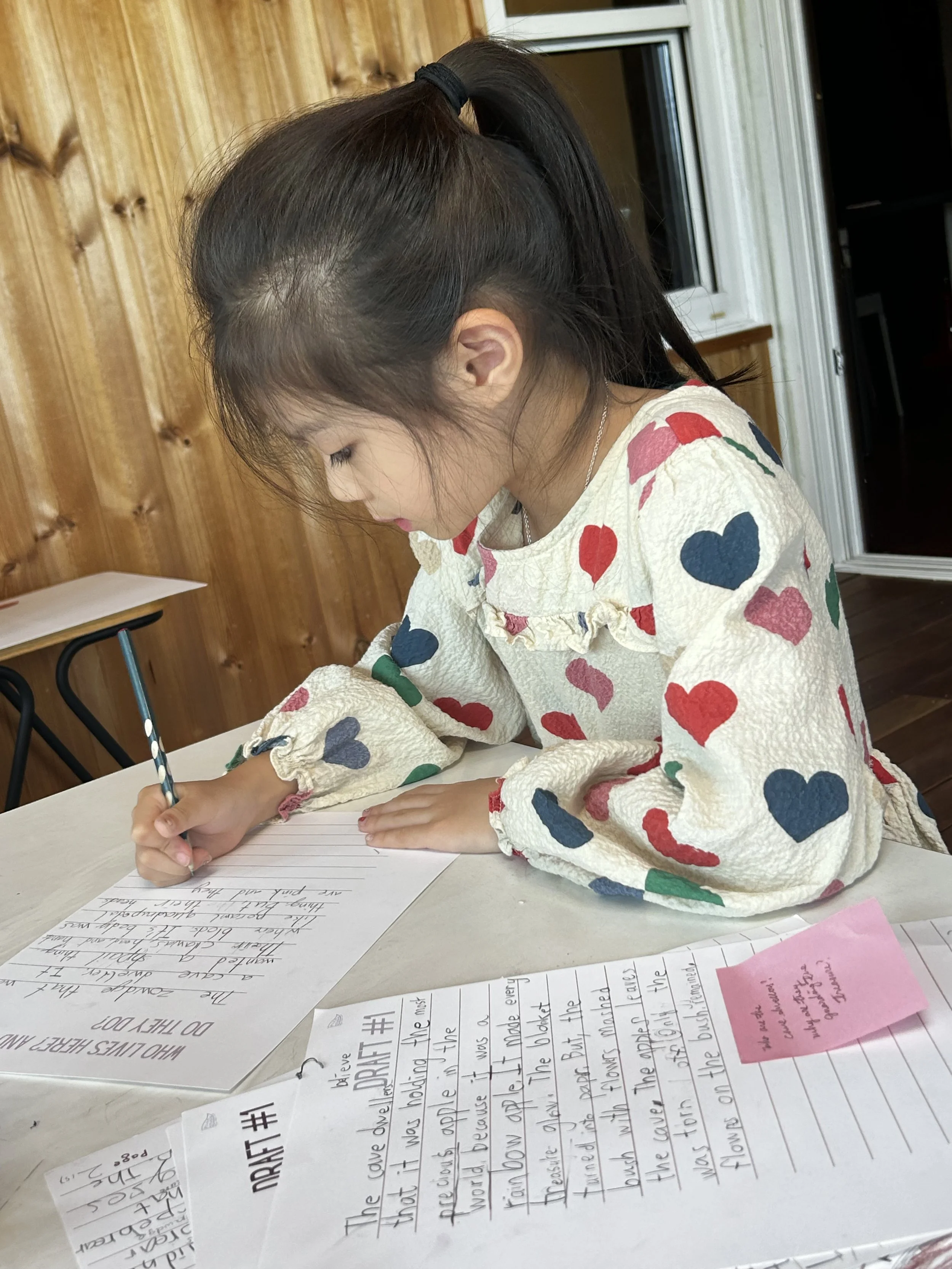
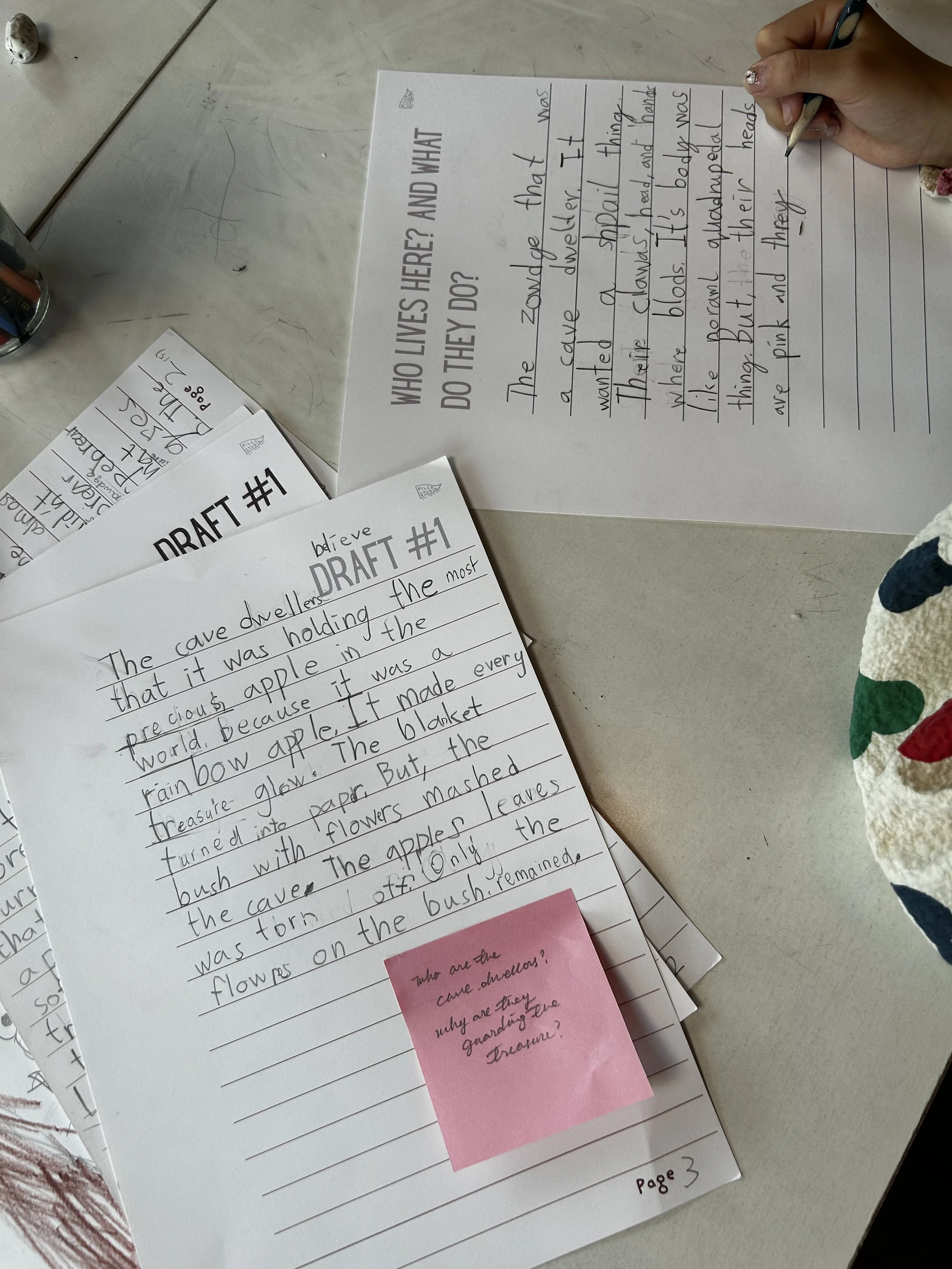
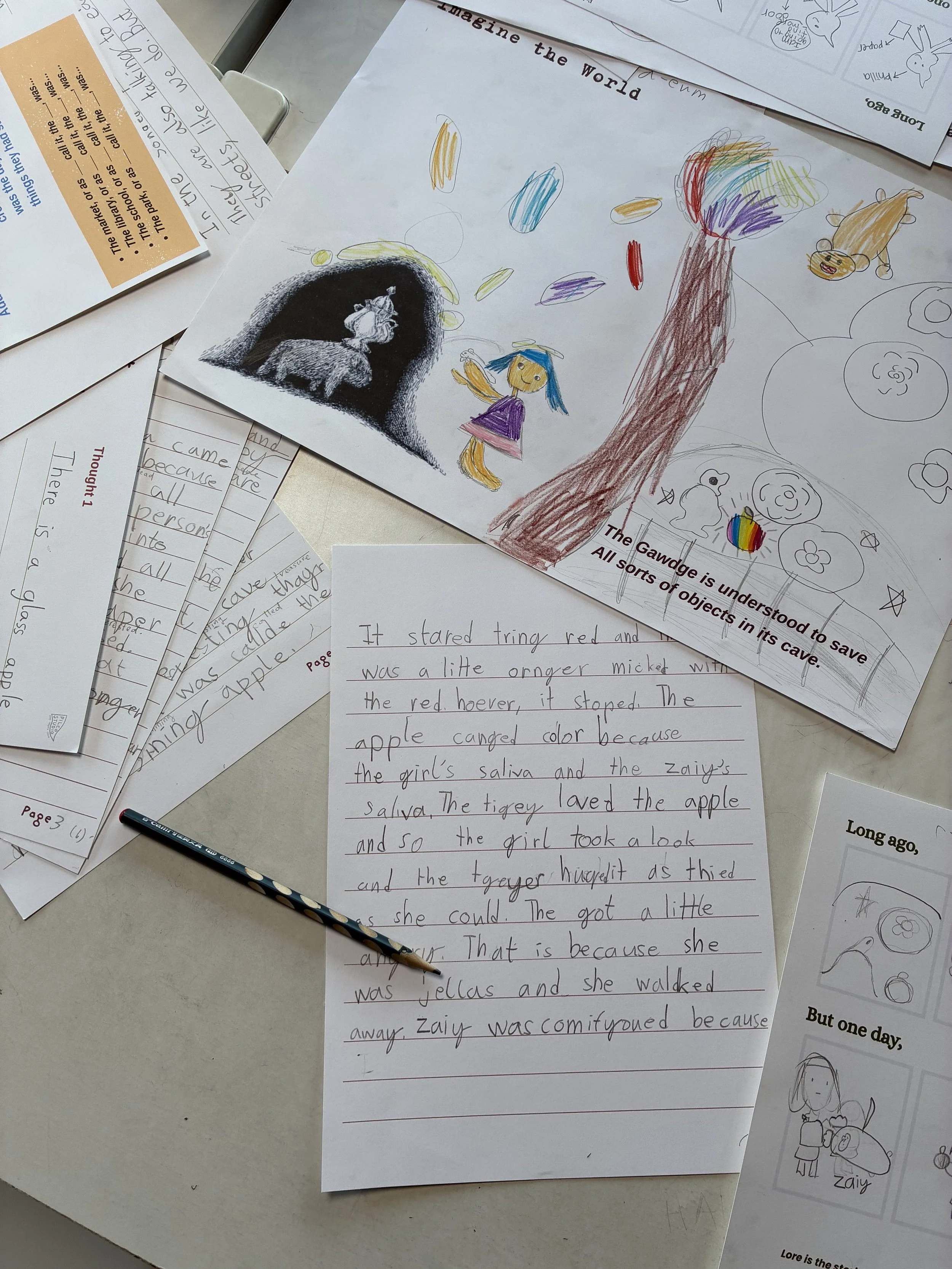
This week, we went deeper into our fantasy worlds by creating lore - the stories, beliefs, and events that give a world its history and make it feel alive. Writers created a story within their story, developing a clear sequence of events with a problem, conflict, and resolution.
We also had one-on-one coaching time, allowing us to focus on each writer’s individual skills and give them targeted guidance for their next step.
Week 2
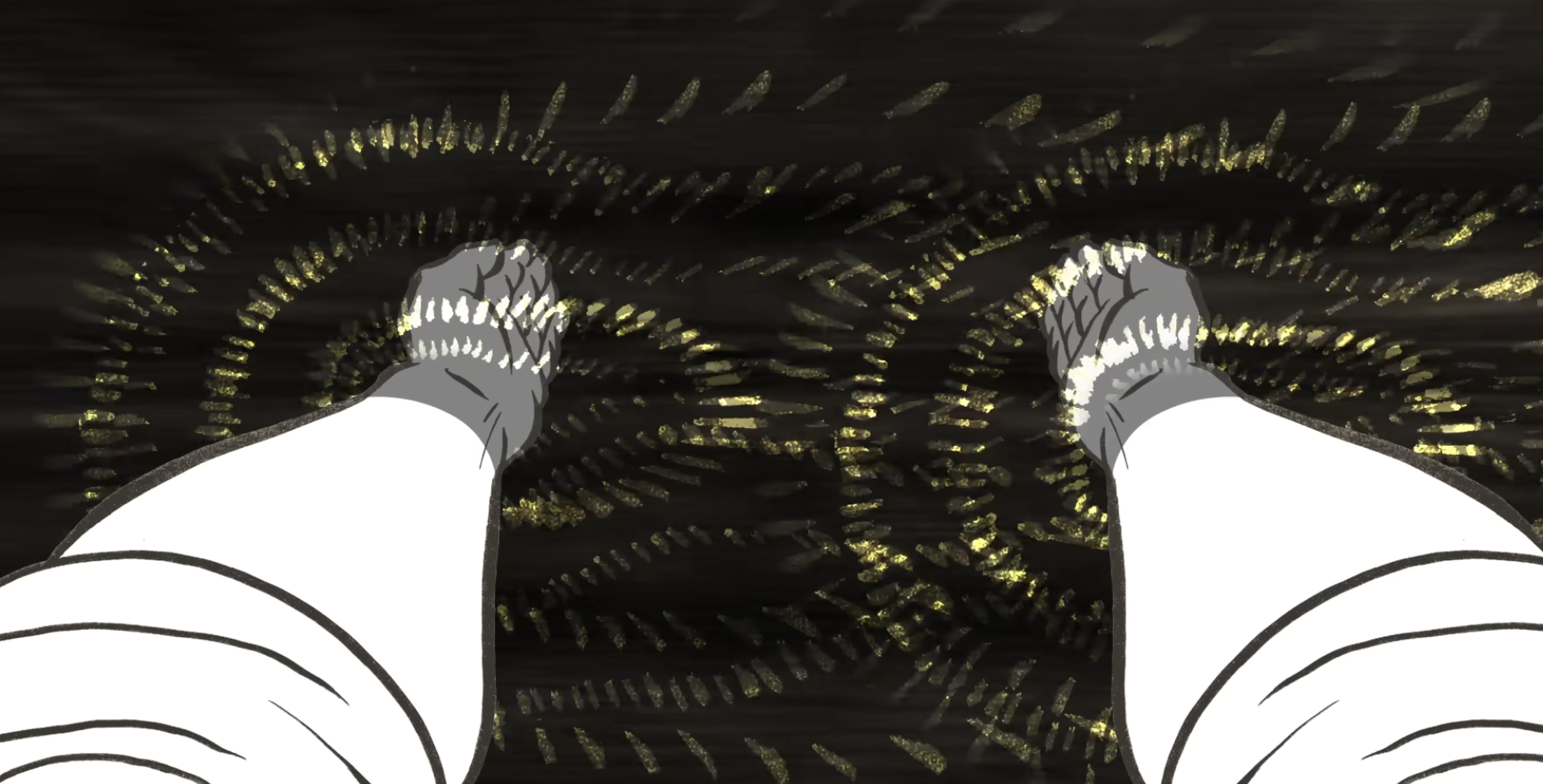
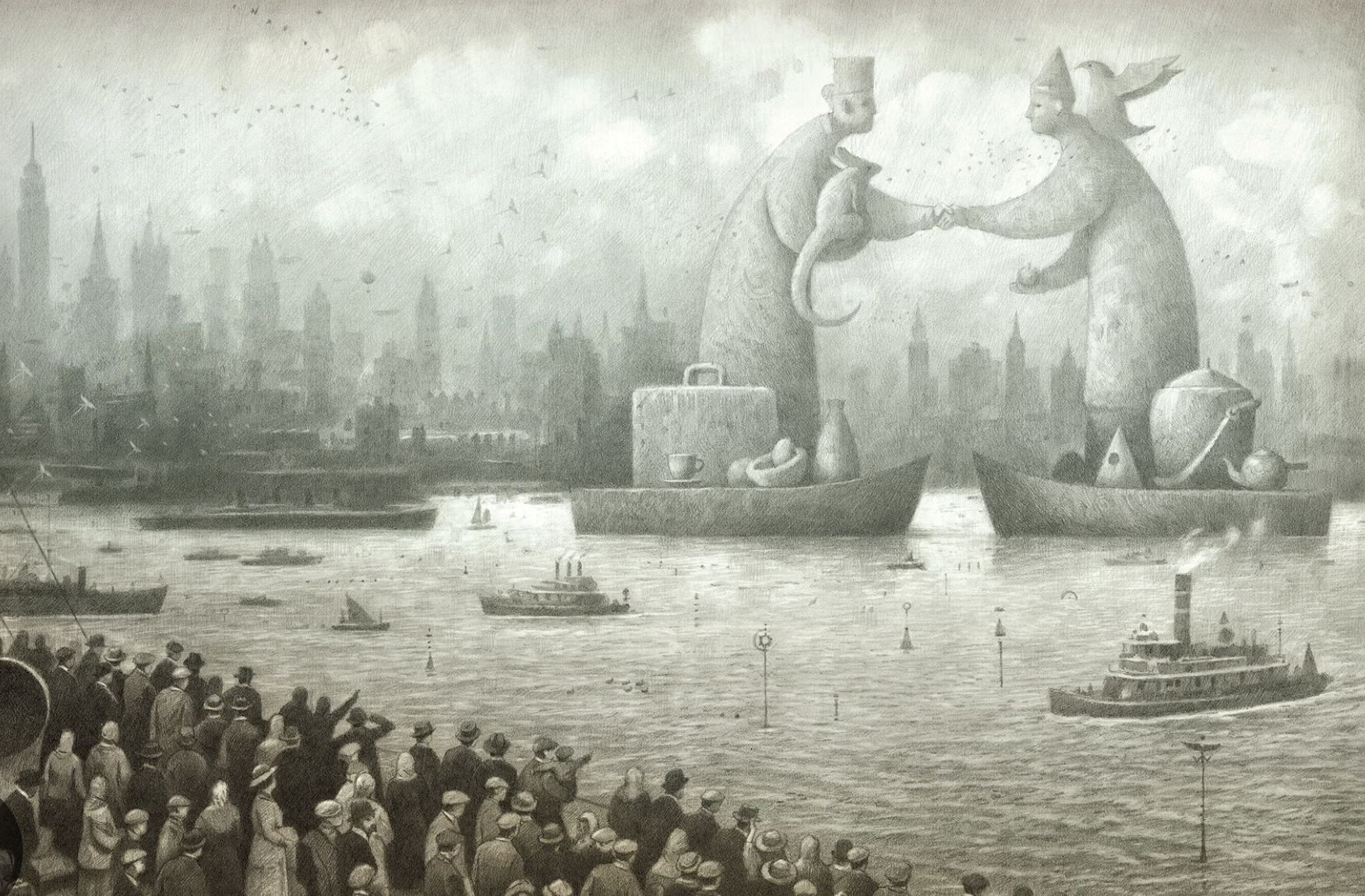
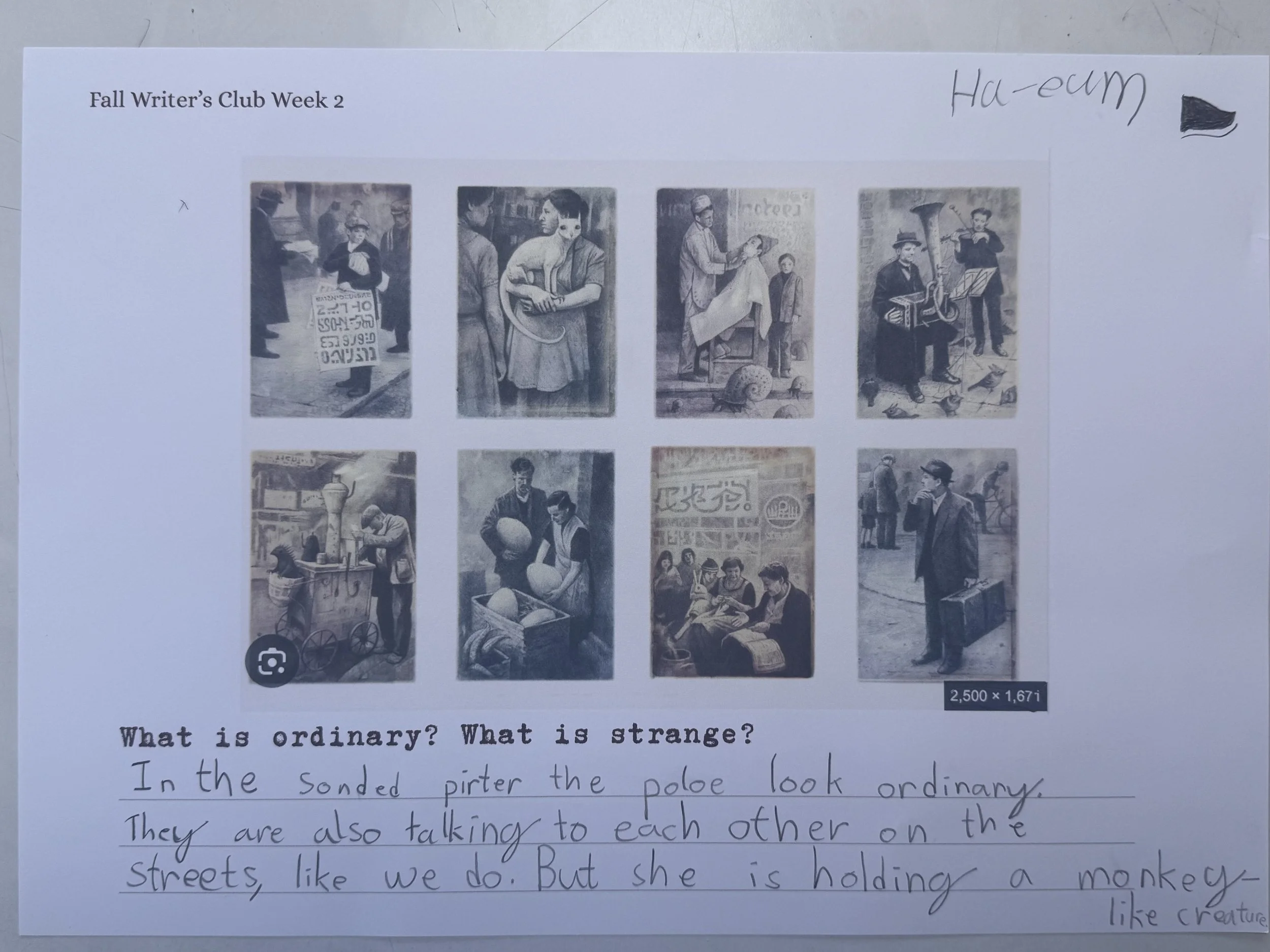
This week, we take inspiration from Shaun Tan’s The Arrival, and moved beyond simply describing our fantasy worlds and began thinking about how those places work.
Writers observed an ordinary scene and looked closely for what might be strange, unusual, or unexpected. They also created a place in their own world where creatures gather, thinking about why they go there and what happens there.
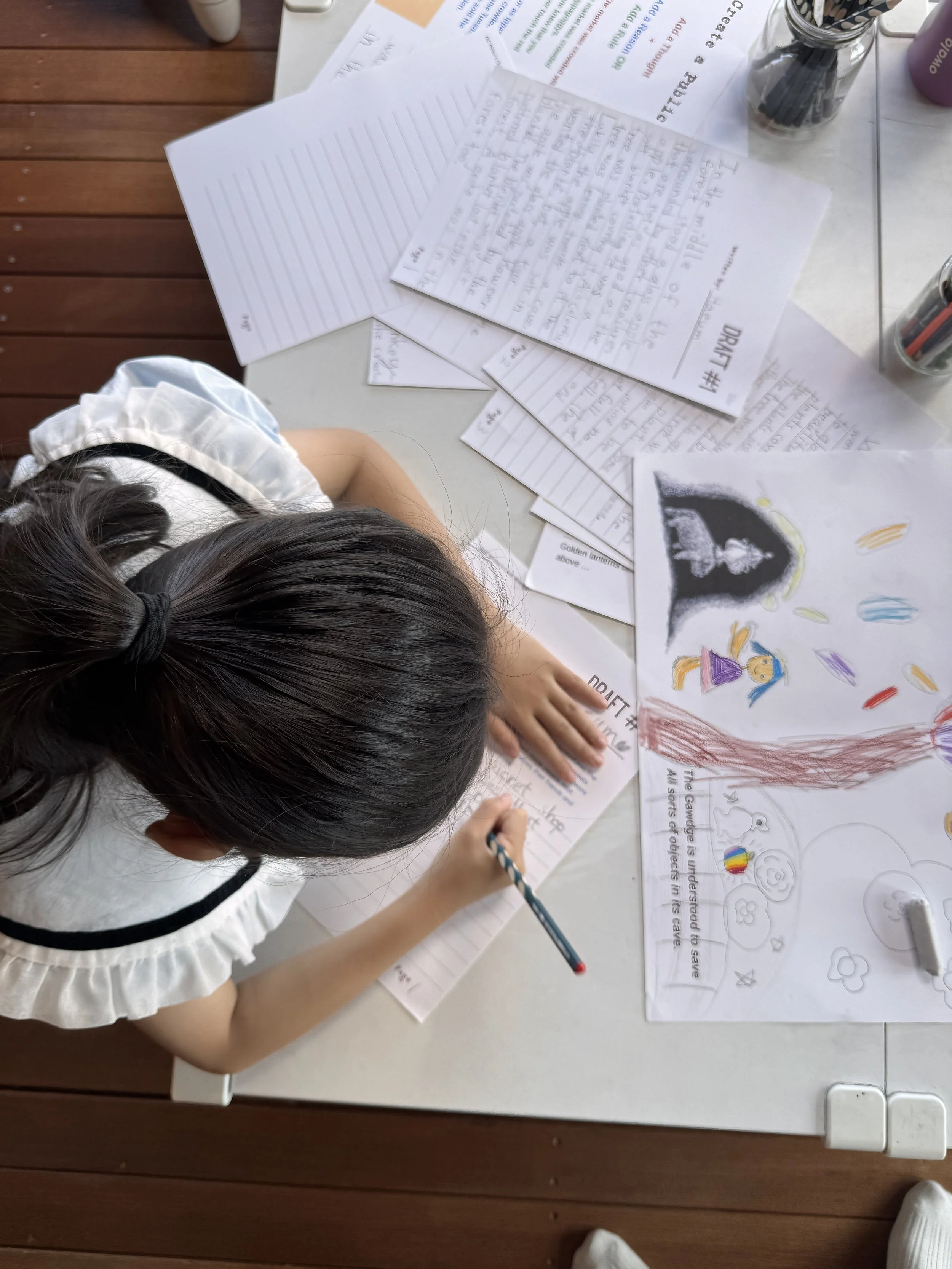
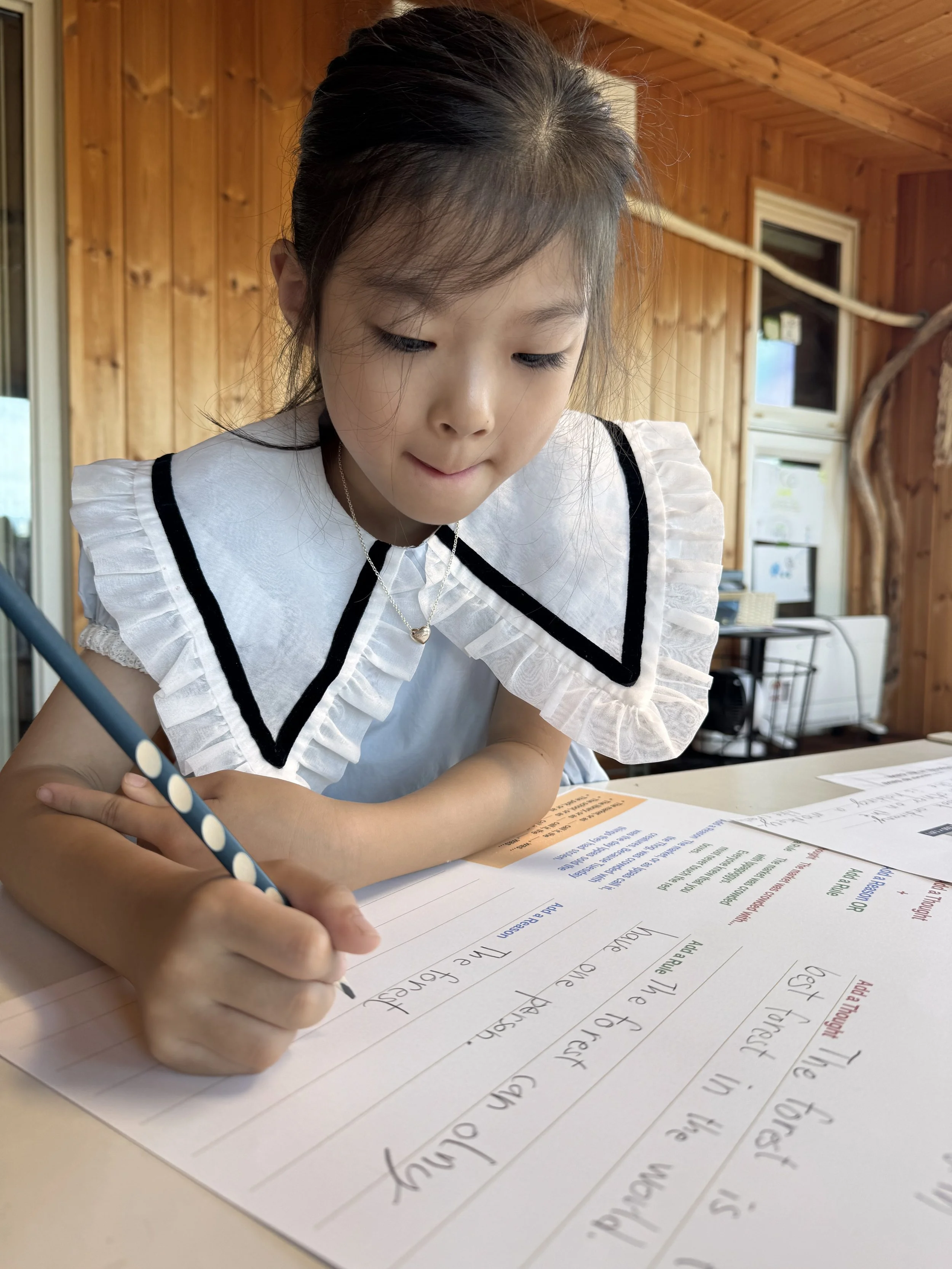
We focused on expanding ideas with reasons and rules, using more complex sentences to show not just what exists in a world, but why it is that way and how it works.
Week 1
We’re beginning a new 7-week season of Fantasy Writing - exploring how writers can invent characters, build imaginary worlds, and turn ideas into stories.
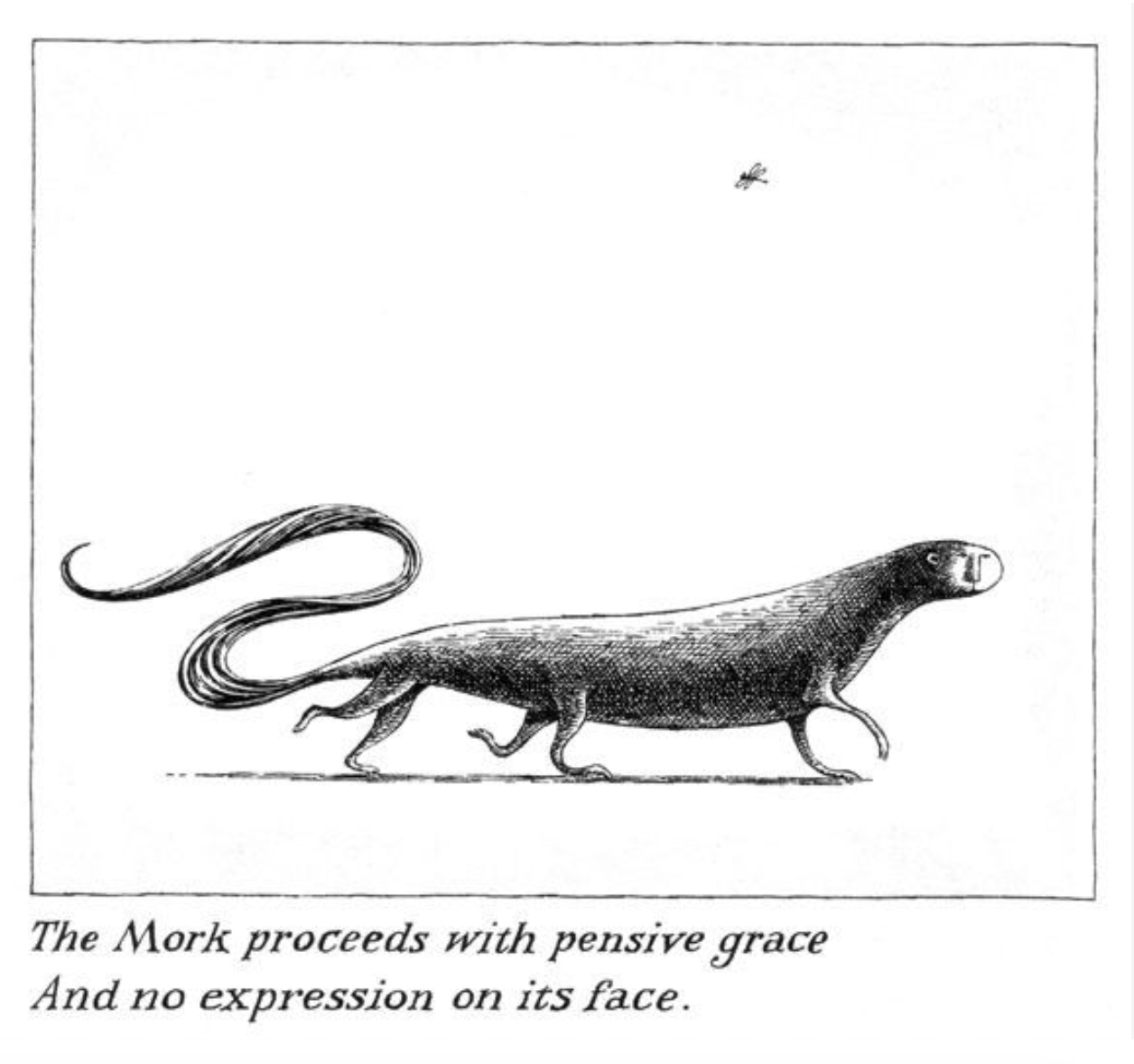
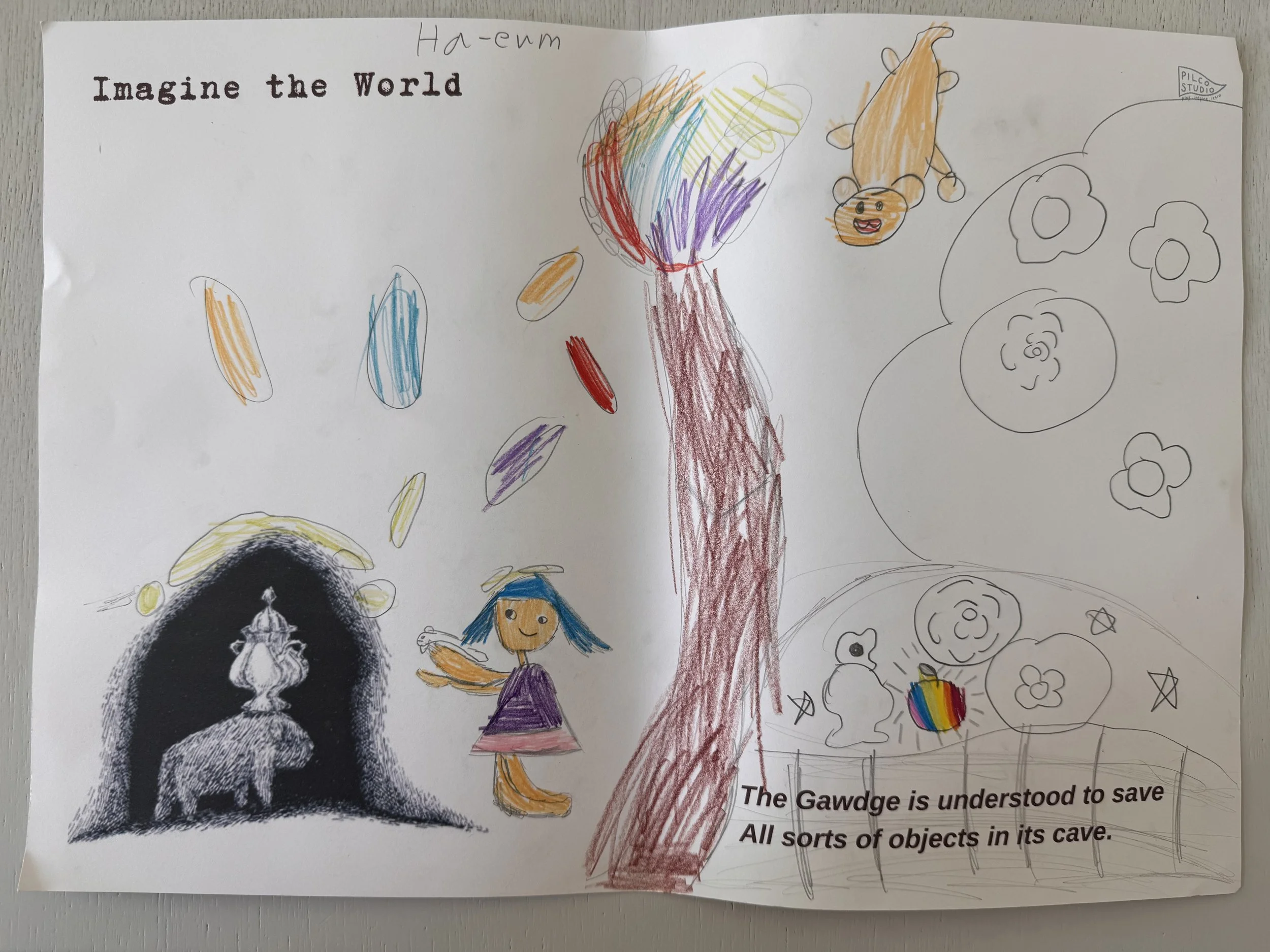
This week we took inspiration from Edward Gorey’s The Utter Zoo. Children chose one of Gorey’s wonderfully unusual creatures and imagine where it lived — drawing its landscape, structures, roads, and hidden details before their writing.
We also practised an important writing tool: adding a thought to an idea. Rather than simply naming what exists in a world, we’ll explore how a writer can add an unexpected thought that makes it feel alive.